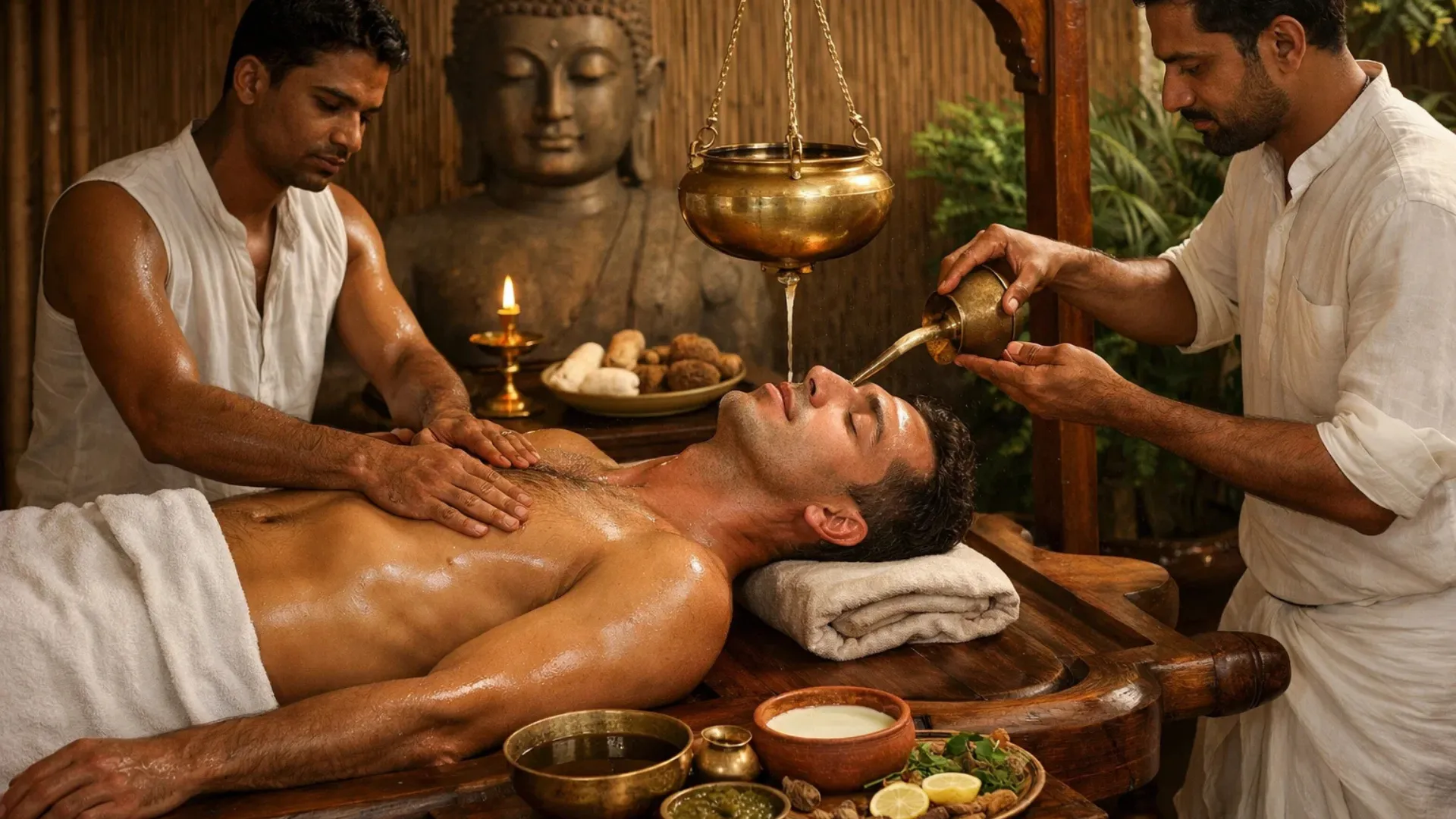
Most people book a massage because they want to relax or rub out a tight knot. It feels great, but the effects often fade by the time you reach your car.

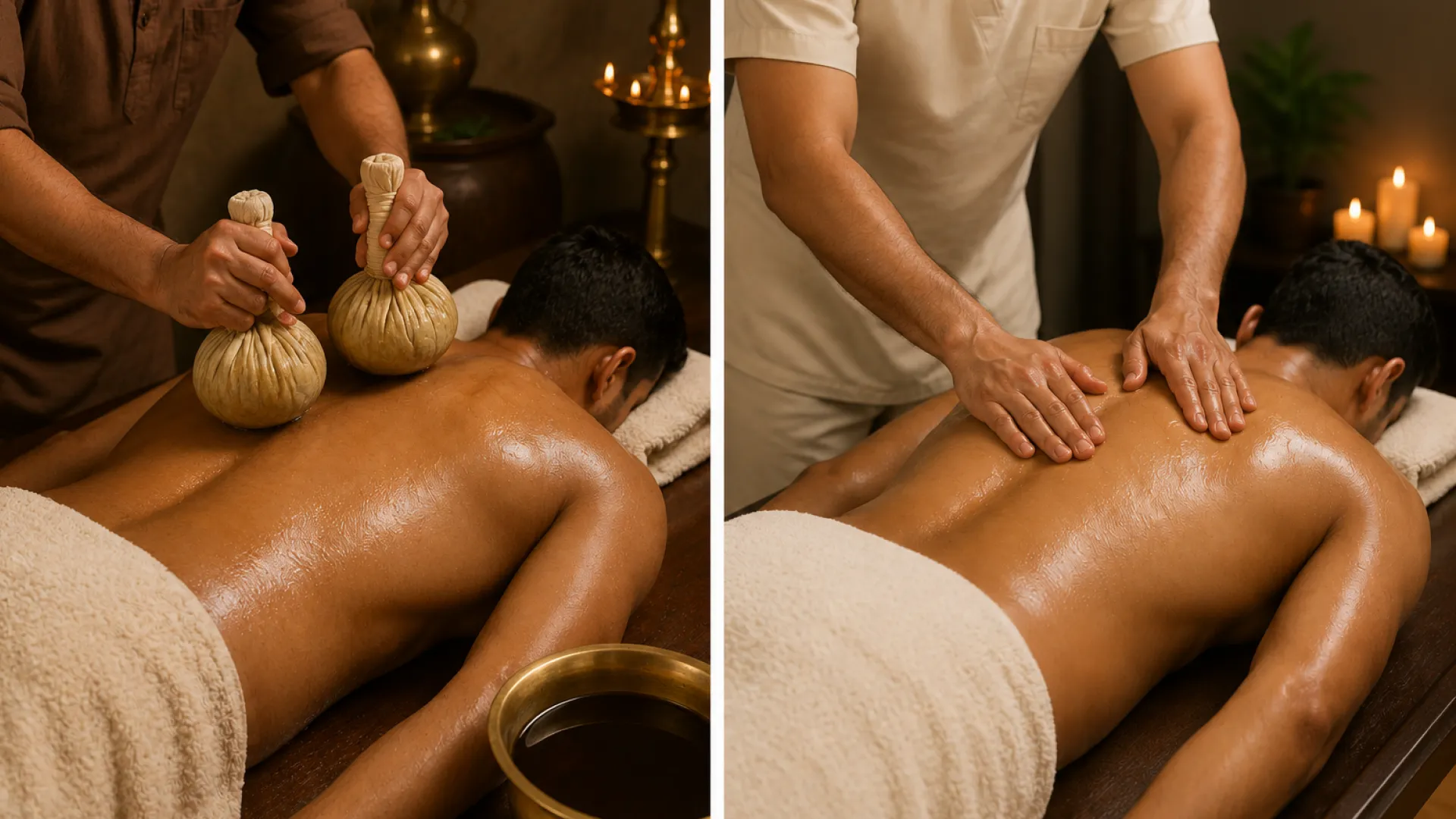
Most people book a massage because they want to relax or rub out a tight knot. It feels great, but the effects often fade by the time you reach your car. If you’re dealing with deep-seated joint stiffness or chronic inflammation, you need to understand the difference between kizhi therapy and a regular massage to get actual results.
A standard spa session focuses on the surface. Kizhi focuses on the source. At Brahmi, we see patients who have tried every “deep tissue” massage in the UAE only to find that their pain returns 24 hours later. That’s because muscles aren’t just tight; they may contribute to poor circulation and muscle stiffness.
Table Of Contents:
Heat and Herbs vs. Hands Alone
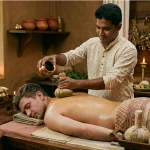
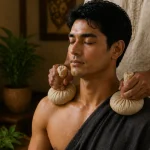
The most obvious difference between kizhi therapy and a regular massage is the tool. In a regular massage, the therapist uses palms and fingers with some oil. In Kizhi, we use heated muslin bundles called “poultices” filled with medicinal herbs, powders, or rice.
These bundles act like thermal batteries. As the therapist taps and rolls them over your skin, the heat opens your pores. This isn’t just about feeling warm. It’s about letting the specific medicinal properties of herbs used in Elakizhi are traditionally believed to support muscle relaxation and circulation. A regular massage is physical; Kizhi is medicinal.
Sweat and Detoxification
Regular massages feel relaxing, but they don’t usually make you sweat. Kizhi is a “sudation” therapy. The goal is to induce a mild, healthy sweat that helps flush out Ama, the Ayurvedic term for metabolic waste.
By using heated oils and medicated powders like those found in podikizhi, this approach may provide deeper therapeutic benefits compared to a standard relaxation massage that a standard Swedish massage simply can’t reach. It’s the difference between dusting a shelf and offering a more targeted therapeutic approach. One looks better for a minute; the other actually removes the grime.

Targeting the Root of Inflammation
When you have a regular massage, the therapist works on the muscle fibers. But what if the pain is in the bone or the joint? That’s where njavarakizhi comes in. This specific type of Kizhi uses medicinal rice to nourish the nervous system and strengthen tissues.
A regular massage is great for stress. But for conditions like sciatica, spondylosis, or chronic back pain, you need the targeted heat and herbal infusion that only Kizhi provides. It’s a clinical approach wrapped in a traditional ritual.
Final Thoughts
So, is one better than the other? It depends on your goal. If you just want to nap and feel pampered, a regular massage is fine. But if you want to walk without a limp or wake up without a stiff neck, the difference between kizhi therapy and a regular massage becomes very clear. One is a luxury; the other is a necessity for your health.
FAQ
Which one should I book for a sports injury?
Go for Kizhi. Regular massages can sometimes aggravate an active injury if the pressure is wrong. The medicinal heat in Kizhi may help reduce discomfort and support recovery.
Is Kizhi as relaxing as a spa massage?
Honestly? It’s more relaxing. The rhythmic tapping of the warm bundles has a sedative effect on the nervous system. Most of our clients at Brahmi fall into a deep sleep halfway through.
Will I be oily afterwards?
Yes. More so than a regular massage. We use specific medicated oils that need to stay on your skin for a bit to work their magic. Don’t plan a fancy dinner right after a nap.
Does Kizhi help with weight loss?
Specific types like Podikizhi (the powder bundle) are actually traditionally used to support metabolism and overall wellness. A regular massage won’t do that.