Feeling heavy? Sluggish? Like your body is running on “low battery” despite getting enough sleep? You aren’t alone.

Feeling heavy? Sluggish? Like your body is running on “low battery” despite getting enough sleep? You aren’t alone. Most of us carry around years of accumulated stress and environmental toxins. We try green juices or weekend fasts, but they barely scratch the surface.
If you want a real reset, you need to look at Panchakarma treatment. It isn’t just a spa day. It’s a deep-tissue, cellular cleanup that has been fine-tuned over thousands of years. At Brahmi, we see it as the ultimate way to bring your body back to its natural rhythm.
Table Of Contents:
What Is Panchakarma Treatment?
In Ayurveda, panchakarma is a system of deep purification. Restoring the balance of the doshas (Vata, Pitta and Kapha) and eliminating the accumulated toxins (Ama) from the body and mind are the primary goals of Panchakarma.
Panchakarma is a five-step Ayurvedic detox, comprising Vamana, Virechana, Basti, Nasya, and Raktamokshana. Unlike superficial juice fasts, it uses oils and heat to perform a deep-tissue, cellular cleanup.
Why Panchakarma?
- To purify the body's interior.
- For better digestion.
- To increase defenses.
- To lessen weariness and mental stress.
- For long-term preservation of health.
Why modern detoxes usually fail
Most “detox” trends focus on what you put in your mouth for three days. Ayurveda is different. It recognizes that toxins (or Ama) get stuck deep in your tissues. You can’t just flesh that out with a smoothie.
Panchakarma works because it prepares the body first. We use oils and heat to loosen the gunk before moving it out. It’s the difference between dusting a shelf and doing a deep spring clean of the entire house.
The Five Steps of Panchakarma
The name literally means “five actions”. These aren’t random steps; they are a sequence designed to balance your doshas (Vata, Pitta, and Kapha).
- Vamana: Targeted at the upper body, specifically for respiratory and Kapha-related issues.
- Virechana: A focused cleansing of the liver and gallbladder to clear out excess Pitta (heat).
- Basti: Often called the "mother of all treatments", this uses herbal enemas to ground Vata energy in the colon.
- Nasya: Clearing the nasal passages to improve mental clarity and sinus health.
- Raktamokshana: A specialized process for blood purification.
We don’t just throw all five at you. Your body tells us what it needs. A Vata-dominant person needs a completely different approach than someone struggling with a Kapha imbalance.
What Happens During a Session?
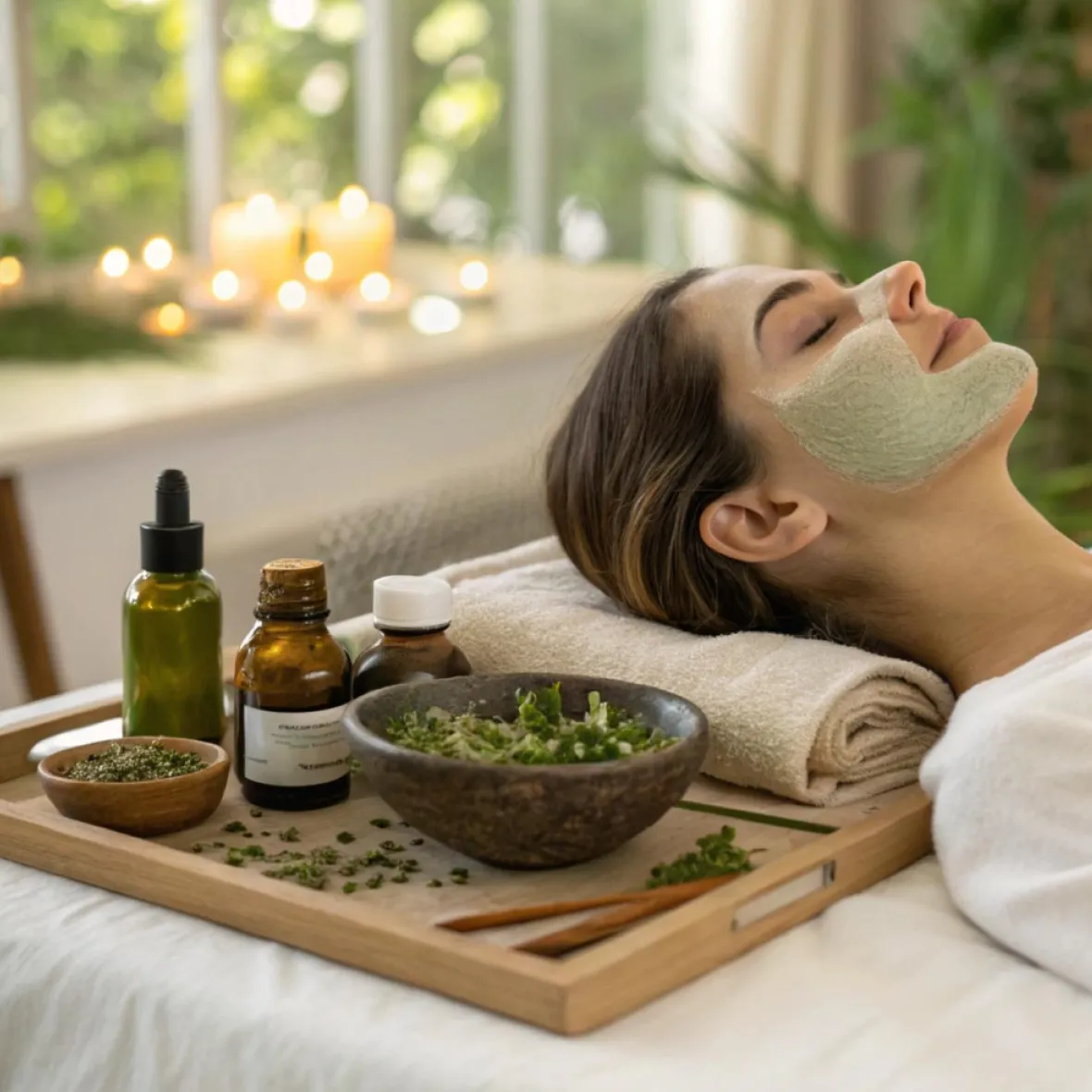
Expect oil. Lots of it. We use Abhyanga (rhythmic massage) and Shirodhara (pouring warm oil on the forehead) to calm the nervous system.
This isn’t just about feeling good. The oil acts as a solvent. It penetrates the skin and starts pulling toxins toward the digestive tract so they can be eliminated. You might feel sleepy. You might feel emotional. That’s normal. You’re letting go of more than just physical waste.
Is This Right for You?
Your body is probably calling for a reset if you’re experiencing persistent fatigue, digestive troubles or skin issues. For people who live in high-stress places like Dubai, where the heat and fast-paced lifestyle can easily throw you off balance, Panchakarma is especially beneficial. It concerns longevity. Eliminating the sludge allows your organs to resume their full potential.
Final Thoughts
Healing isn’t an overnight event. It’s a process. Panchakarma gives you the foundation to start fresh. Are you ready to stop managing symptoms and start addressing the root cause?
FAQ
Is Panchakarma painful?
Not at all. Most of the process involves warm oils, soothing massages, and heat treatments. While the “cleansing” parts (like Virechana) might make you spend some extra time in the bathroom, the overall experience is deeply relaxing. You’ll likely drift off to sleep during the massages.
How long does the treatment take?
You can’t rush biology. A proper Panchakarma program usually lasts between 7 and 21 days. We need time to prep your body, do the actual detox, and then—most importantly—help you transition back to normal life safely.
Can I work while doing a detox?
Technically, yes, but we don’t recommend it. Your body is doing heavy lifting on the inside. If you’re stressed about emails, you’re counteracting the healing. Try to clear your schedule as much as possible to get the full benefits.
Will I lose weight?
Weight loss is a very common “side effect”, but it’s not the main goal. You lose weight because your metabolism improves and inflammation goes down. Most people find they look less “puffy” almost immediately.